
What “We Buy Houses As-Is” Really Means in Ontario (And What It Doesn’t)
If you’ve seen signs or ads that say “We Buy Houses As-Is” in Ontario, you might be wondering:
What does “as-is” actually mean? Does it mean no repairs at all? No cleaning? No inspections? No responsibility?
And does it mean you’re somehow getting a better deal?
The truth is simpler than most marketing makes it sound.
Selling your house as-is means you’re choosing simplicity and certainty over full retail value. It can reduce stress and preparation — but it also means the offer reflects the condition of the property upfront.
This guide explains clearly what selling as-is in Ontario really involves — and what it doesn’t.
What Does “Selling a House As-Is” Mean in Ontario?
Selling as-is means the buyer agrees to purchase the property in its current condition.
You are not required to:
- Complete repairs
- Renovate outdated spaces
- Stage the home
- Negotiate inspection findings
- Improve curb appeal
Instead, the buyer evaluates the property as it stands and factors any repairs, updates, or risks into the offer price.
In Ontario, as-is private sales still close through licensed real estate lawyers. The difference is preparation and negotiation — not legality.
What “As-Is” Does NOT Mean
There are common misconceptions about as-is sales.
It does NOT mean:
- You are hiding problems
- The buyer can come back after closing to demand repairs
- You skip legal paperwork
- You avoid mortgage payouts or title clearance
It also does NOT mean you receive full retail value.
An as-is offer reflects:
- The property’s condition
- Repair and renovation costs
- Market resale potential
- Risk the buyer assumes
As-is prioritizes certainty and simplicity — not maximizing price.
What About Repairs?
When you sell your house as-is in Ontario, repairs are evaluated by the buyer, not assigned to you.
Common examples include:
- Roof nearing end of life
- Plumbing or electrical updates
- Foundation cracks
- Mold or water damage
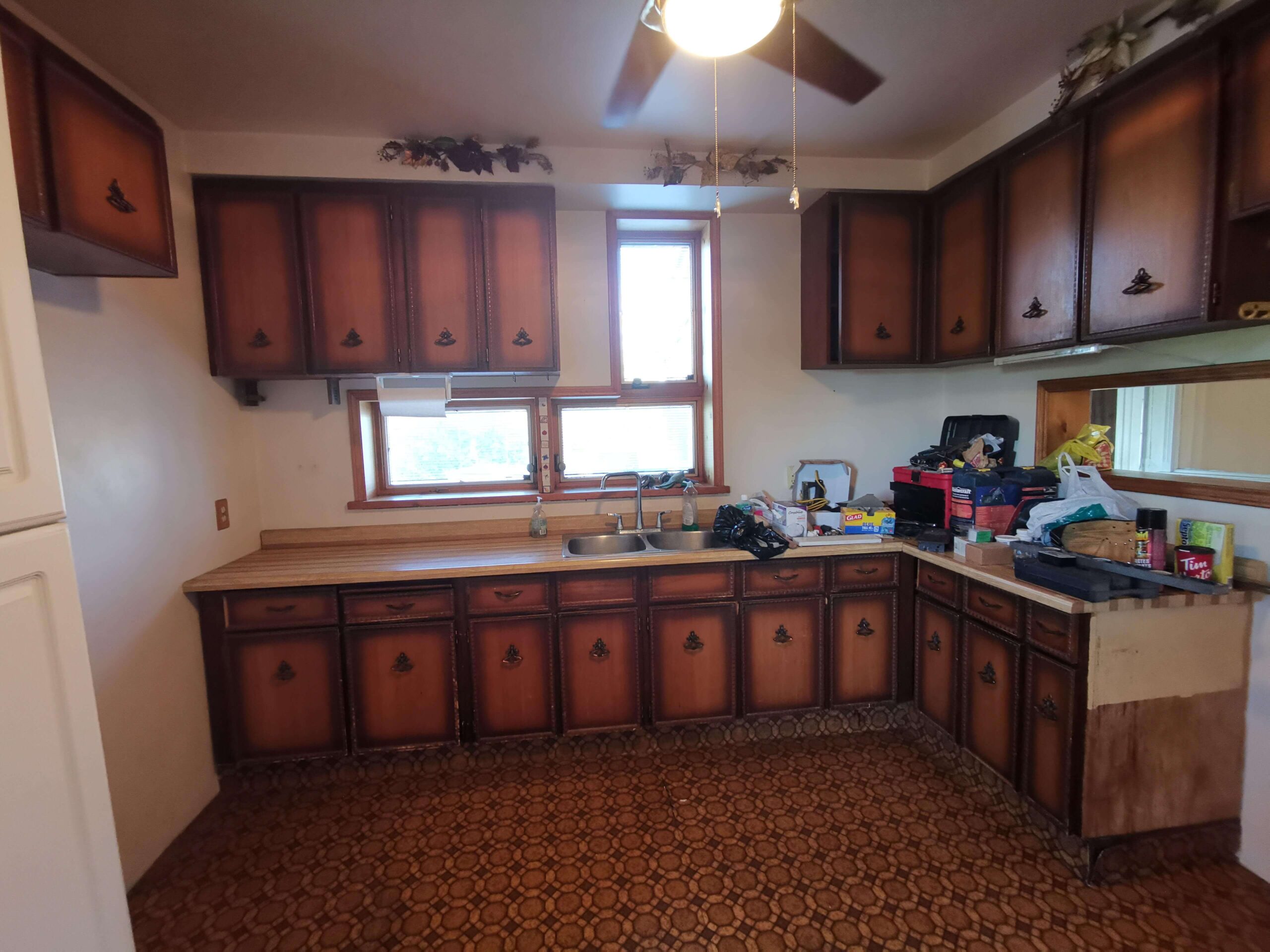
- Outdated kitchens and bathrooms
- HVAC systems needing replacement
Instead of negotiating repair credits after an inspection (as in traditional MLS sales), the investor factors those costs into the offer upfront.
Do You Still Need an Inspection?
In traditional home sales, buyers often include inspection conditions that can lead to renegotiation.
In many private as-is sales:
- The buyer performs their due diligence upfront
- The offer reflects known and visible issues
- There are no repair negotiations after acceptance
That reduces the risk of last-minute surprises for the seller.
However, every transaction is different, and clarity around conditions should always be confirmed in writing.
What About Cleaning and Belongings?
Another common question is:
Do I need to clean everything out before selling as-is?
Often, the answer is no.
In many private Ontario sales:
- Sellers can leave behind unwanted items
- No deep cleaning is required
- No staging is expected
Companies like DCI Properties understand that many sellers are dealing with inherited homes, emotional transitions, or major life changes. The goal is simplicity — not presentation.
Why Are As-Is Offers Lower Than Market Listings?
This is the part that matters most.
When you sell as-is:
- There are no commissions
- No repair costs
- No staging expenses
- No months of holding costs
- No financing risk
But the buyer assumes:
- Renovation costs
- Market resale risk
- Carrying costs
- Unexpected repair discoveries
Because of that, the offer reflects investment risk and future work.
A traditional MLS listing may result in a higher sale price — but it also comes with preparation, time, and uncertainty.
An as-is private sale trades optimization for predictability.
Who Typically Chooses to Sell As-Is?
In Ontario, homeowners often choose as-is sales when:
- The property needs major repairs
- It’s an inherited home
- They’re overwhelmed
- They want privacy
- They don’t want showings
- They’re managing tenants
- They’re relocating quickly
There’s no single seller profile.
The common thread is wanting relief from complexity.
Is Selling As-Is Right for You?
Selling as-is may make sense if:
- You value certainty
- You don’t want to invest time or money into repairs
- Speed matters
- You want fewer moving parts
It may not be the right choice if:
- You have time and resources to prepare the home
- Maximizing top dollar is your only priority
- The property is already market-ready
The right option depends on your priorities — not on what sounds easier in an ad.
Final Thoughts
“We Buy Houses As-Is” is often marketed as a shortcut.
In reality, it’s a tradeoff.
You’re choosing:
Less preparation.
Less uncertainty.
Less negotiation.
In exchange for accepting a price that reflects condition and investor risk.
If you’re considering selling your house as-is in Ontario, the most important thing is clarity. Understanding what’s included — and what isn’t — allows you to decide confidently.